
Have you ever found yourself in a situation where everything seemed to be going well, a new friendship was blossoming, a relationship was deepening, or someone was showing you genuine kindness, and suddenly you felt the urge to run? Or maybe you didn’t run, but you started picking fights over nothing, or you went cold and distant without even knowing why.
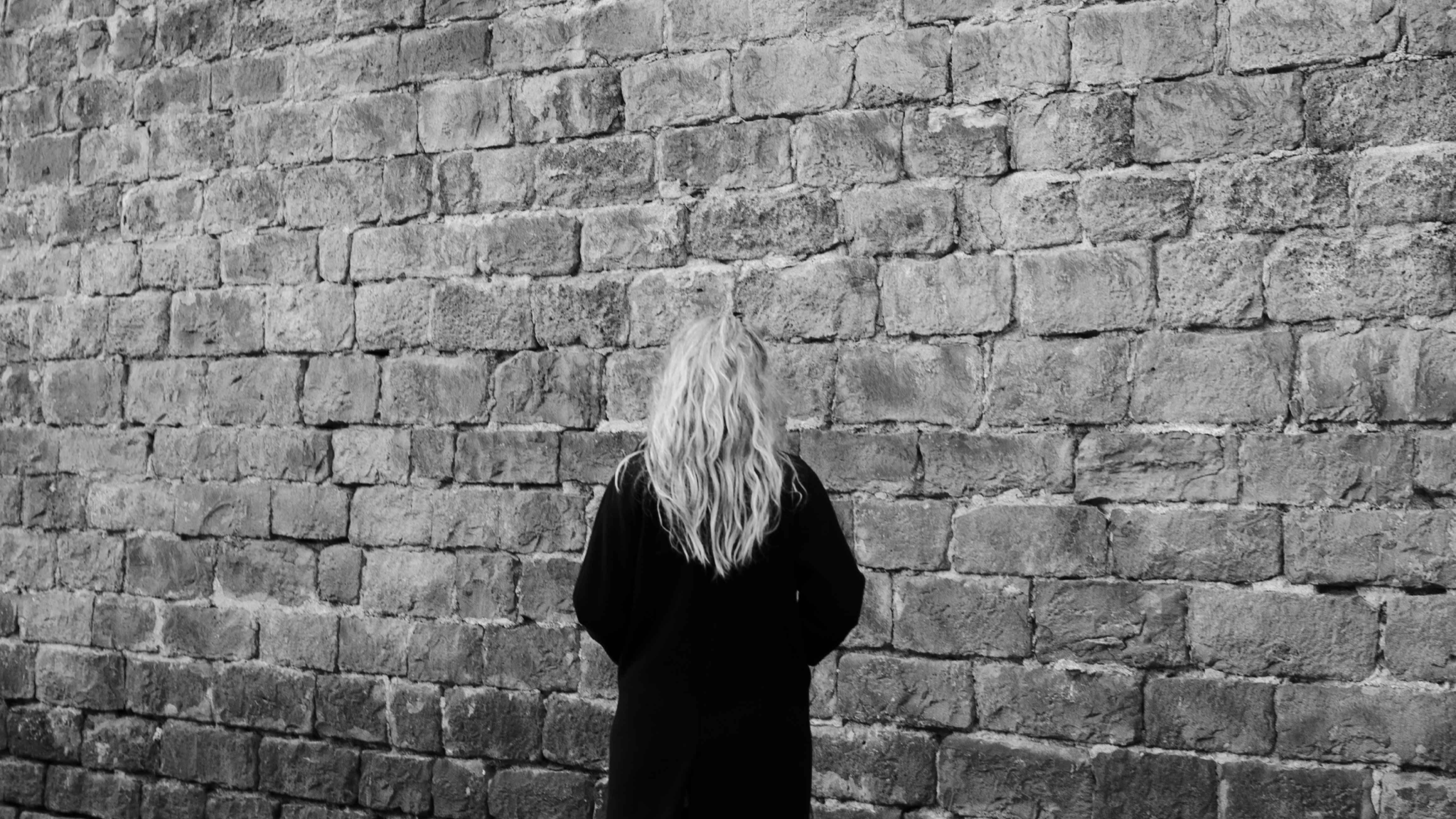
It is one of the saddest paradoxes of the human heart. We long to be loved, seen, and accepted. We ask God to bring good people into our lives. Yet when they arrive, something in us starts laying brick after brick, building an invisible wall. We don’t always mean to do it. Most of the time we are trying to protect ourselves. But that wall does not just keep rejection out, it also keeps love out.
The Invisible Wall
Rejection often works quietly. It teaches the heart to stay on guard, and before long we can find ourselves living behind an invisible wall we never meant to build. At first that wall can feel sensible. If you have known disappointment or difficult family dynamics, of course part of you wants to stay safe. One brick might be caution, another suspicion, another emotional distance.
Someone is kind, and we wonder what they really mean. Someone goes quiet, and old pain starts doing the talking. Suddenly the heart is responding to yesterday while standing in today.
Past pain can follow a person much further than they expect. It can show up in marriage, friendships, church life, and even ministry. If you don’t deal with buried trauma, you will probably see it taint your every day life.
Why We Push People Away
Rejection does not just hurt, it teaches. It teaches our hearts to expect loss and brace for disappointment. Often, those patterns began much earlier than we realise. Small hurts in young hearts can become big problems if left untreated.
That is why a delayed reply can feel personal, or a quiet moment can feel ominous. Because of a fear of history repeating itself, we can pull away before someone else has the chance to. We go cold, become guarded, or sabotage something good because it feels safer than being pushed away again.
You can love God deeply and still find this wall affecting the way you receive love. When rejection has been left unresolved, we can end up mistrusting the very people who are offering real care. The wall says it is protecting us, but it is more often just keeping us isolated.
Taking the Wall Down
How do we begin to step out from behind that wall? It starts with honesty. Just the simple kind that says, “Lord, I think I have been protecting myself in ways that are now hurting me.”
1. Notice when the wall goes up
What makes you shut down? Kindness? Closeness? Silence? Correction? A change in tone? Paying attention to those moments helps you see where old pain is still speaking.
2. Challenge the story fear is telling
When you feel yourself pulling away, ask, “What story did I just tell myself?” Did you assume you were unwanted, unsafe, or about to be rejected? That may be a sign of past pain being stirred, not a sign that the person in front of you is rejecting you.
3. Invite God to heal what the wall is hiding
The answer is not to blame yourself for having a wall. It is to let God show you why it got built in the first place. He knows how to reach the parts of your heart that still expect to be left behind, and He knows how to make you safe enough to love again.
You were never meant to live boxed in behind self-protection. You were created for fellowship, and for loving relationships. If you want God to do a new work in your heart and you can reach us, don’t miss Healed for Life, May 28 – 29, 2026. It will be a refreshing and life changing two days. Booking closes this Thursday. You can find all the details on our bookings page.
If you cannot attend in person, The Virtual Encounter is coming up on July 17 – 18, 2026, so there is still a way to join us and receive ministry wherever you are.
You don’t have to live guarded forever. It’s time to let God begin taking the wall down. If you enjoyed this blog, please hit the heart button and share with someone.


